
Telephone now by clicking or dialling:
+44 (0)1400 273323
Back to the Blog
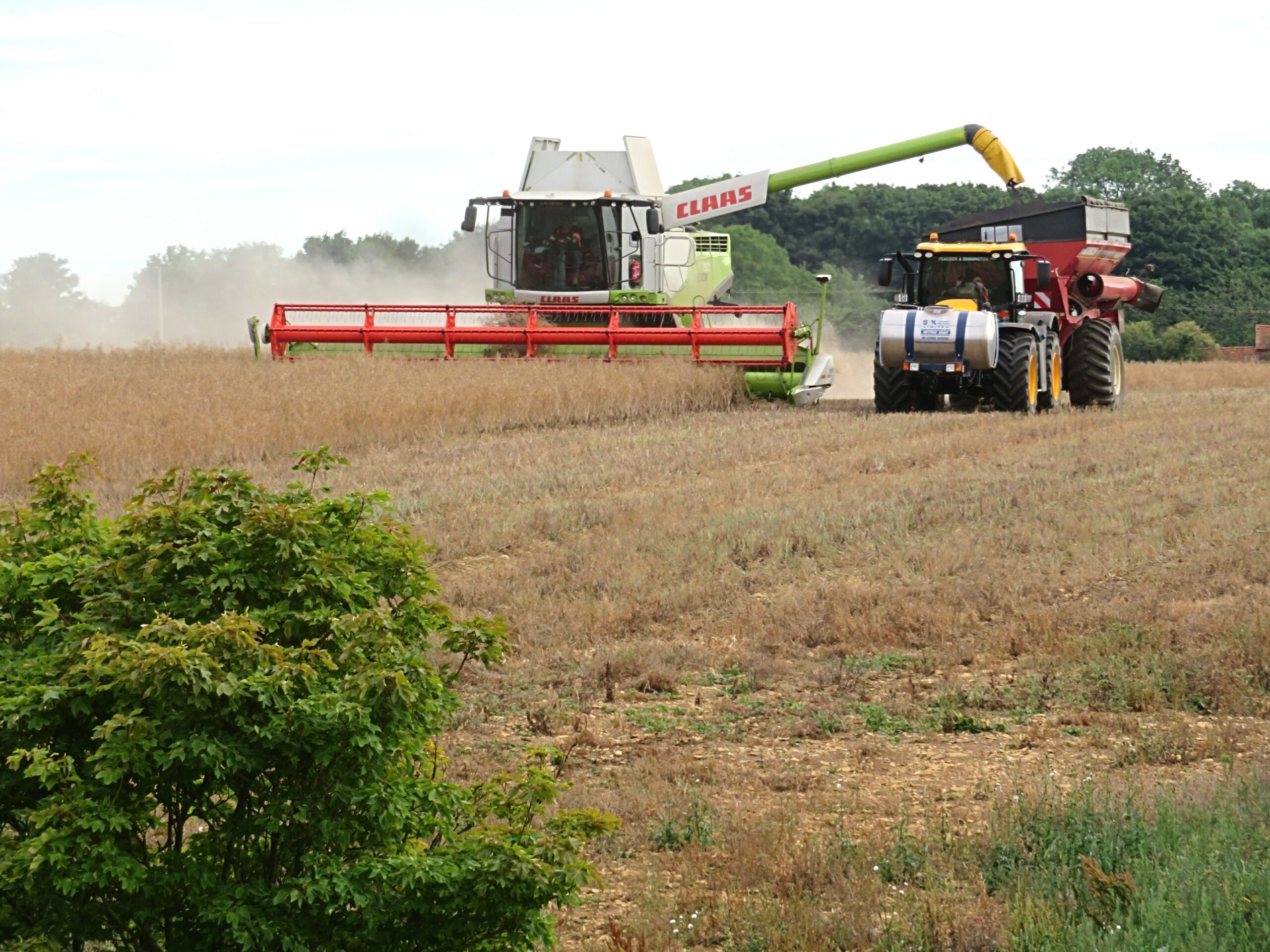
It’s been half a century since we last saw harvest wrap up this early. The comparison with 1976 is striking, though the circumstances were very different. Back then, there wasn’t much to bring in at all — more than a year of extremely low rainfall had already taken its toll. And it’s easy to forget that the famous June 1975 heatwave was actually preceded by snowfall in the first week of the month.
This year has played out differently. We had plenty of late‑winter rain to recharge groundwater, and that’s made a noticeable difference. Winter‑sown crops that got off to a strong start before the heat arrived have generally performed best, especially oilseed rape. Spring crops, on the other hand, have struggled on lighter soils that simply couldn’t hold enough moisture.
One upside of the dry spell is that farmers haven’t had to spend a fortune drying grain — diesel‑powered dryers have barely been needed. Grain prices have also lifted a little, helping offset the lower yields seen across much of eastern England.
But with today’s high input costs — particularly oil‑based fertilisers and pesticides — the push toward regenerative farming looks set to continue. Practices that help soils retain moisture and reduce fertiliser demand are becoming increasingly attractive. It’s a positive shift, and this season has underlined a long‑standing truth: water is the limiting factor for almost every crop. This year, that reality has been impossible to ignore.
Published by charles at July 31, 2026, 11:23 am